| EG (Evergreen Forest:11) | ||
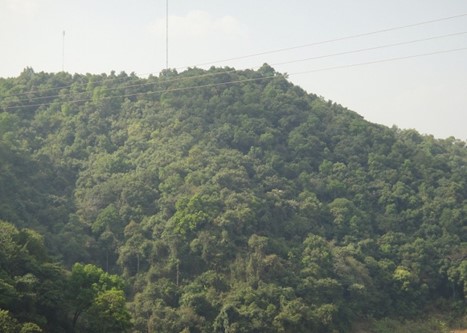 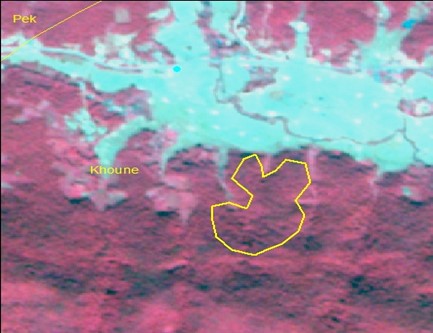 Defined as a multi storey forest consisting of more than 50% trees of evergreen species. Most of the trees have long and cylindrical boles, many of them with a big buttress. Usually, the height of the trees of the upper storey is more than 30 m. The dense second storey prevents most of the light from reaching the ground floor. Another typical characteristic of this forest type are climbers and lichen on the tree stems. Bamboo is usually not found except when the canopy has been opened. |
||
| MD (Mixed Deciduous Forest:12) | ||
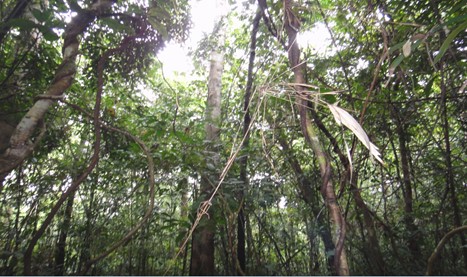 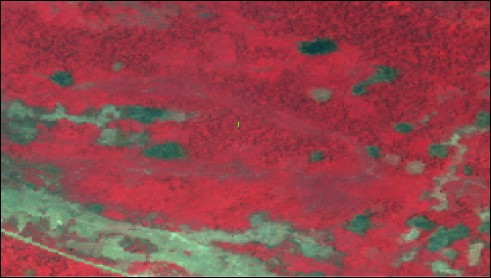 Defined as the deciduous tree species represent more than 50% of the stand. The forest storeys are not as dense as those of evergreen types and most of the seedlings and saplings are deciduous trees. Most often bamboo occurs in this type of forest. |
||
| DD (Dry Dipterocarp Forest:13) | ||
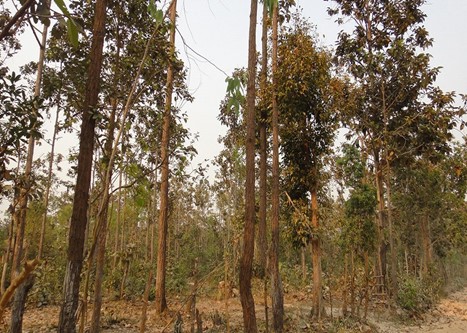 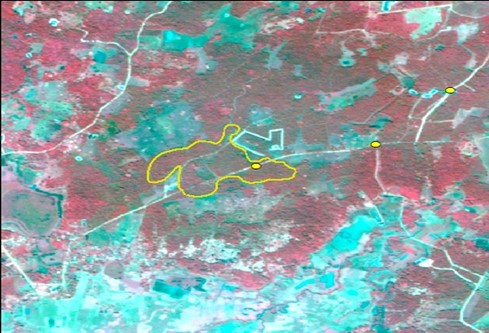 Defined as the Dry Dipterocarp Forest occurs in open stands. The tree diameter is comparably small and the height of the stand varies from 8 to 25 m. The crowns do not spread out widely. This type of forest is normally found in places with shallow soil, where the hard pan emerges above the ground, and on laterized soil. The forest consists of Many species being characteristically as fire resistant and have a thick bark such as: Mai Sabeng (Dipterocarpus intricatus), Mai Chick (Shorea obtusa), Mai Sat (Dipterocarpus obtusifolius), Mai Suak (Terminalia tomen-tosa) , Mai Hang (Shorea siamensis), Mai Khoung (Dipterocarpus tuberculatus ROXB). |
||
| CF (Coniferous Forest:14) | ||
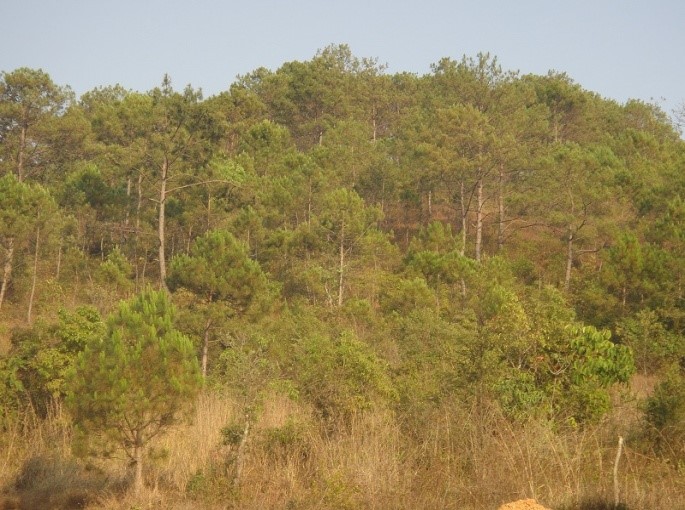 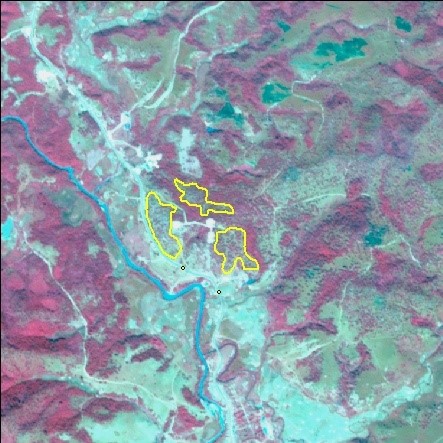 Defined as the Coniferous Forest is usually with single storied and open but the young growth may sometimes form a dense second storey. This forest type occurs in higher elevations and cold weather. The forest consist of pines (Pinus kesiya or Pinus merkusii), Mai hinghom(Keteleeria davidiana BEISSN) and Mai Longleng (Cunninghmia sinensis). |
||
| MCB (Mixed Coniferous and Broadleaved Forest:15) | ||
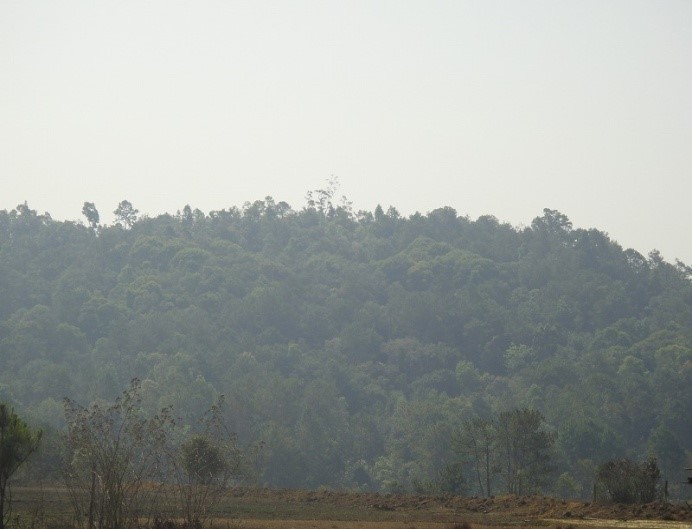 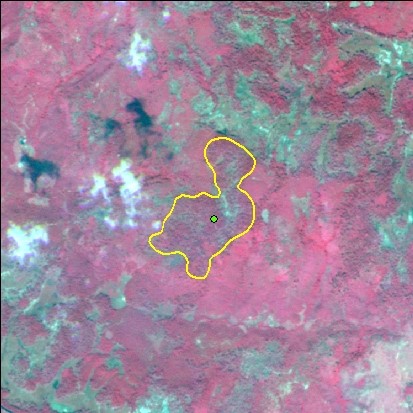 Defined as the coniferous trees could be mixed with either deciduous or evergreen trees. In general, the Mixed Coniferous Forest is a transition type between the coniferous and the broadleaved forest types. It is also found in higher elevations. |
||
| P (Forest Plantation:16) | ||
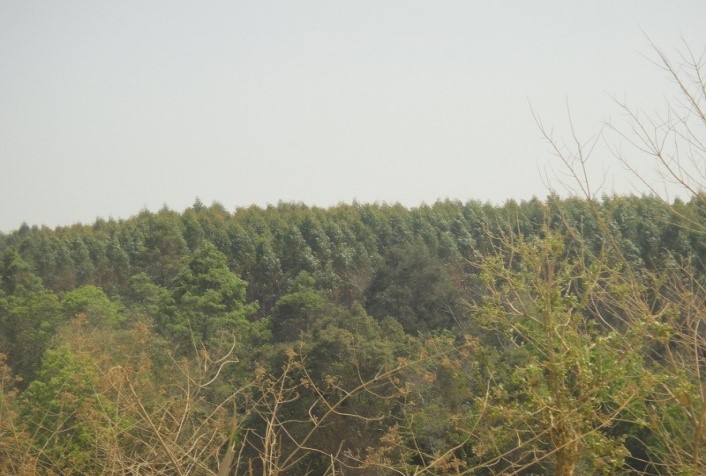 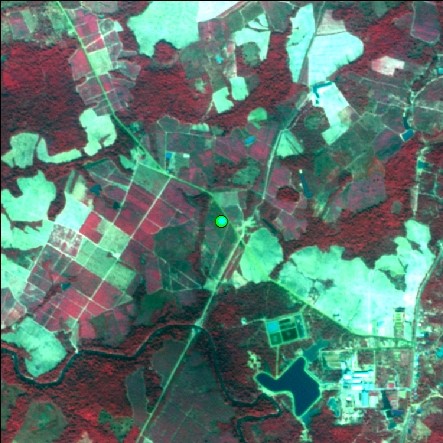 Defined as all planted tree which is the same or various species mixed together, with the same age, height and spacing. All plantations (including young ones with a crown density less than 20 %, and DBH less than 10 cm.) should be classified as Forest Plantations. |
||
| B (Bamboo:21) | ||
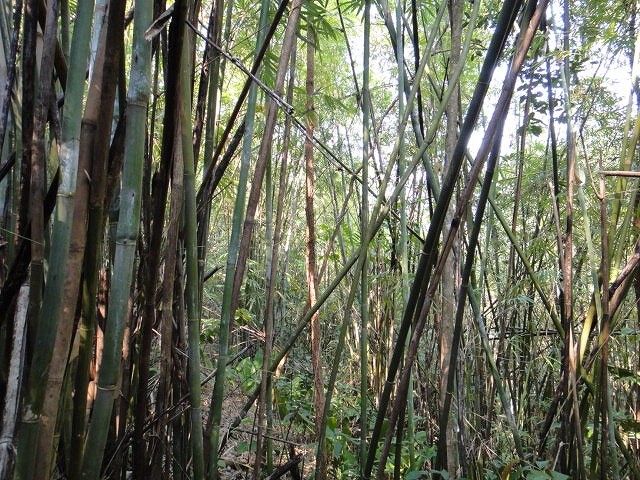 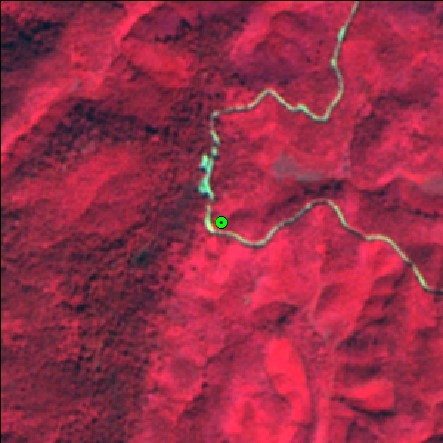 Defined as the area covered with bamboo more than 80%. Abandoned upland crop is often recovered by bamboo. Bamboo brakes may vary in height from 2 m to 25 m depending on their species. |
||
| RV (Regenerating Vegetation:22) | ||
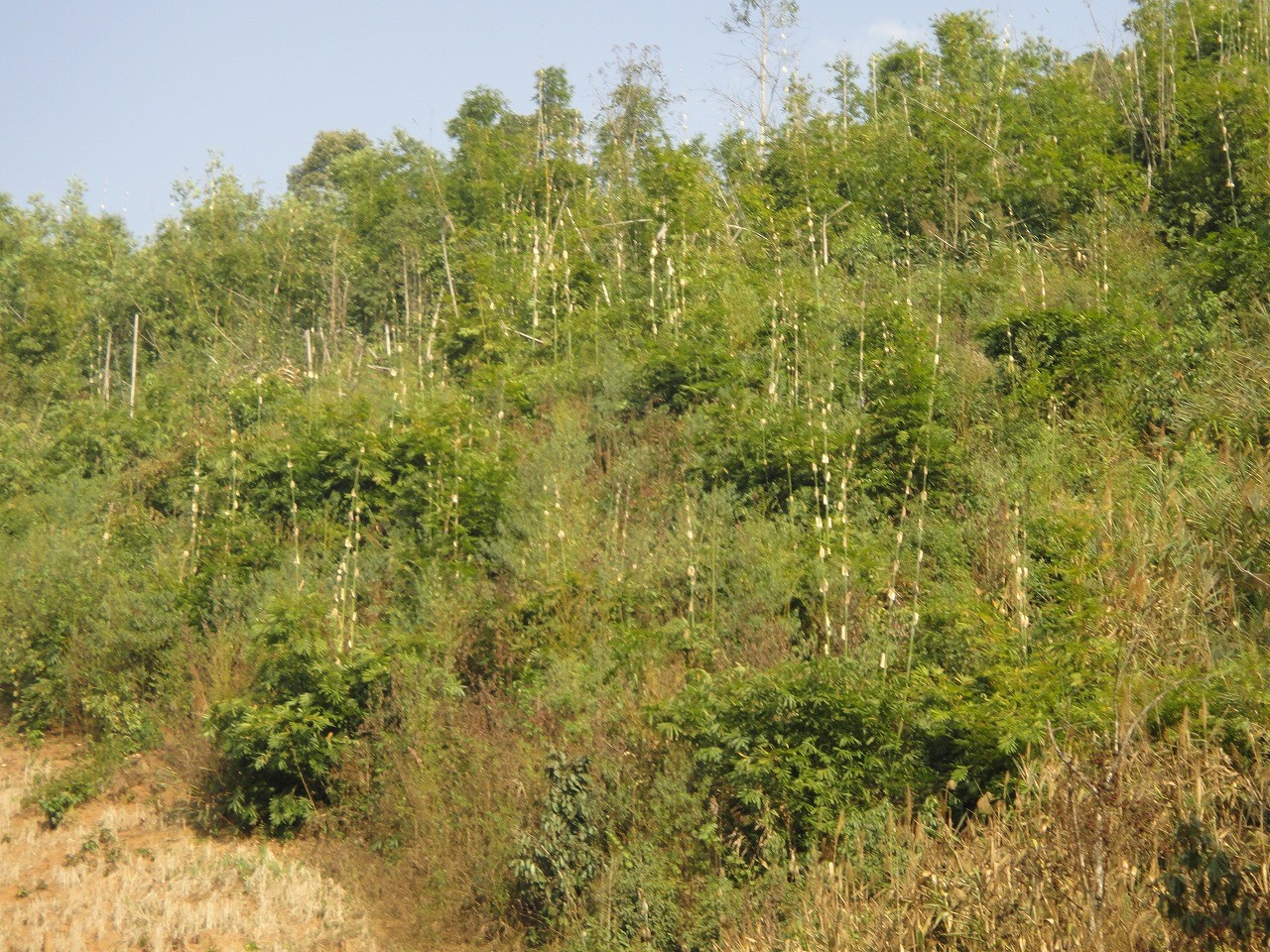 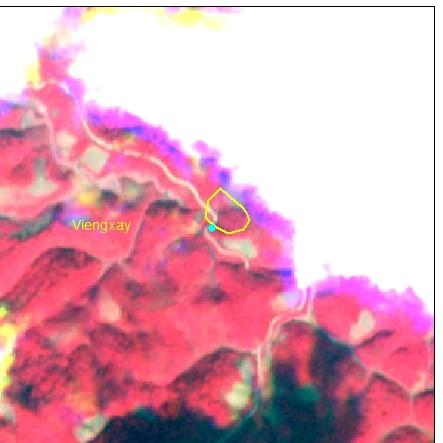 Defined as the previously forested areas in which the crown density has been reduced to less than 20% because of logging or heavy disturbance includes shifting cultivation. If the area is left to grow undisturbed it will become forest again. |
||
| SA (Savannah:31) | ||
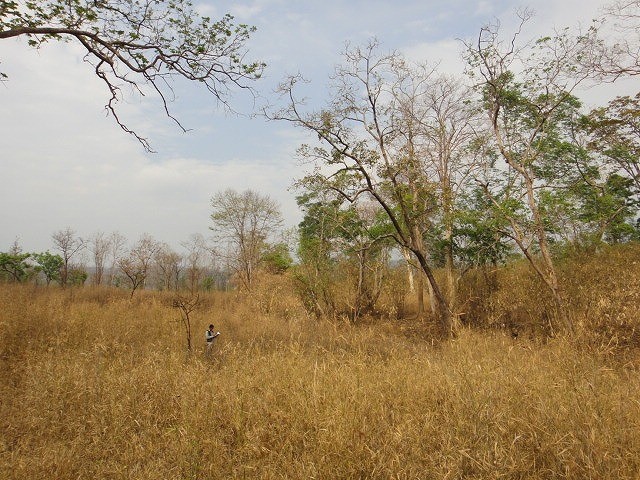 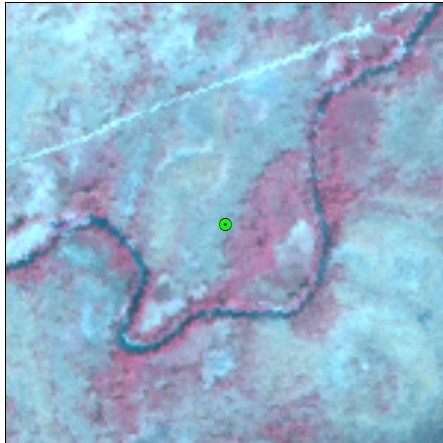 Defined as an area where the soil conditions are unsui-table for tree growth as well as agriculture production. The tree cover in the Savannah should be at least 1% but less than 20%. The trees are drought resistant and mostly short with graminaceous and herbaceous plants forming an under storey. Mostly found in plain areas. |
||
| SR (Scrub:32) | ||
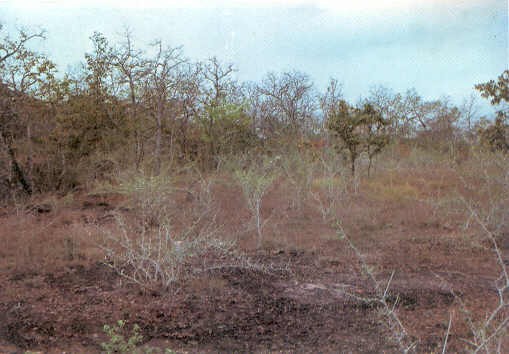 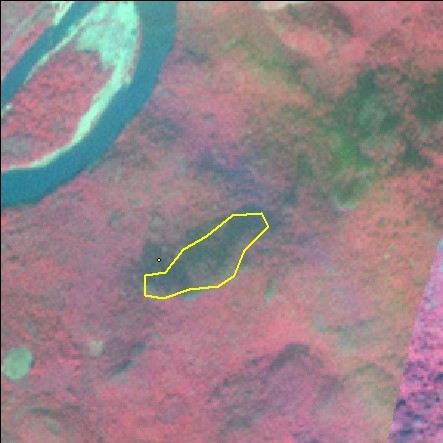 Defined as an area covered with scrub and stunted trees. The soil is shallow and rocky. Inaccessible parts of lime stone formations covered with scrub and stunted trees should be classified as Scrub. |
||
| G (Grassland:41) | ||
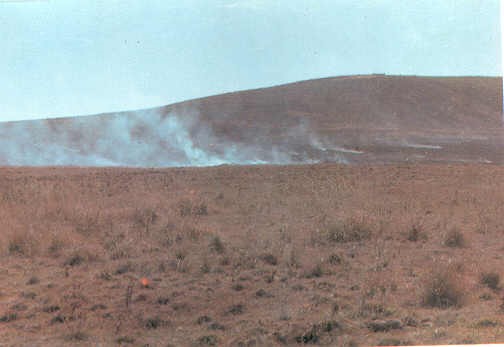 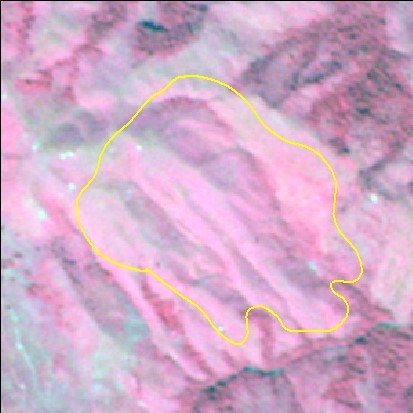 Defined as the area that has been covered by grass, on which no trees or shrubs grow. |
||
| SW (Wetland(Swamp):42) | ||
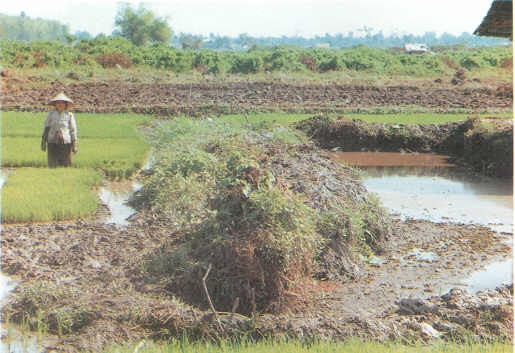 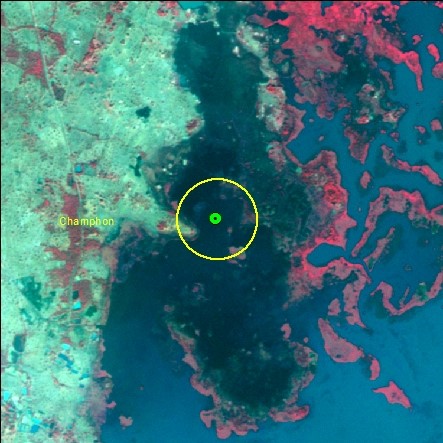 Defined as areas where the soil is saturated with water all around the year. The soil may basically be fertile but the least lack of oxygen limits its agriculture or forest-production capacity. The wetland could have a high ecological or environmental value and rich of biodiversities. |
||
| UC (Upland Crop:51) | ||
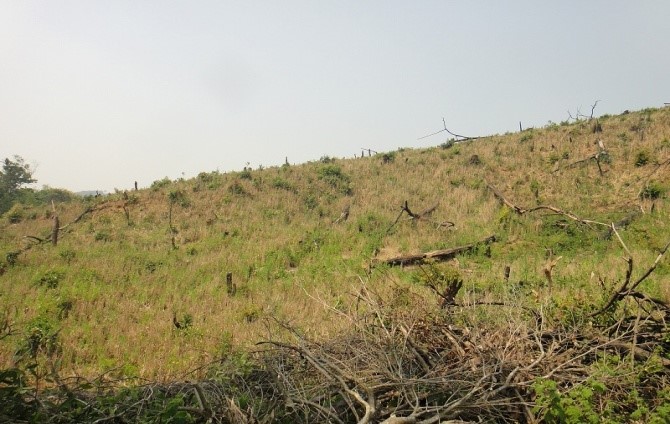 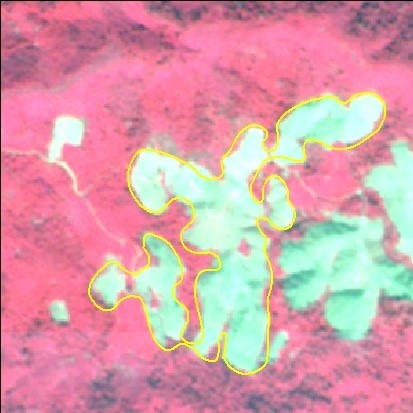 Defined as an area where the forest has been cut and burnt for temporary cultivation of rice and other crops. Area that have been abandoned for more than 2 years should be classified as Regenerating Vegetation. |
||
| RP (Rice Paddy:61) | ||
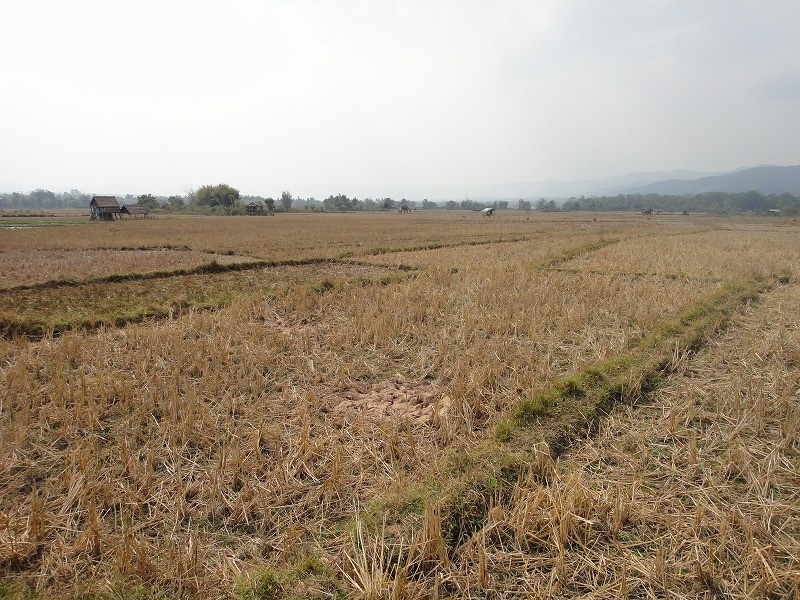 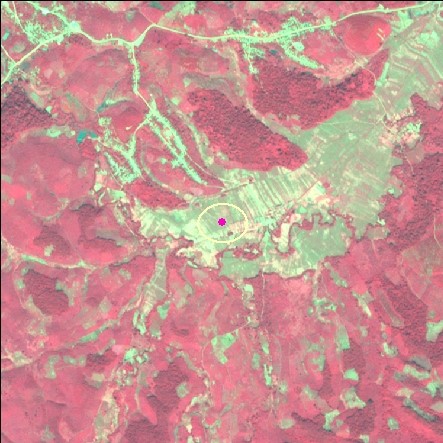 Defined as an area permanently being used for rice cultivation. Old paddy that has been abandoned for more than one year should not be classified as Rice Paddy. |
||
| OA (Other Agriculture:62) | ||
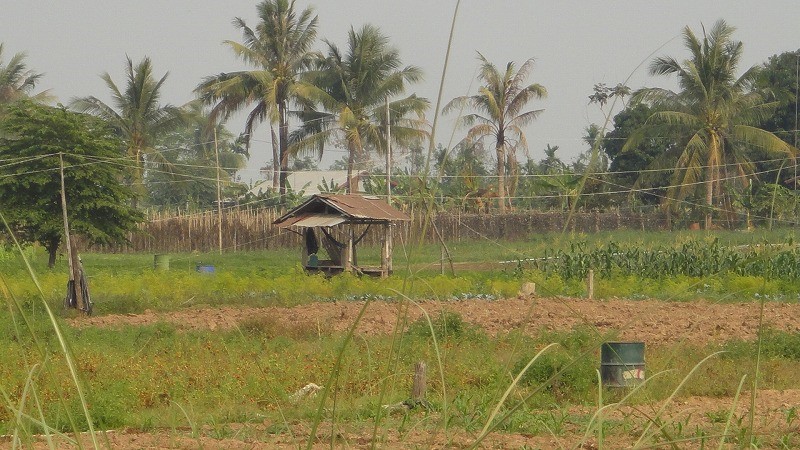 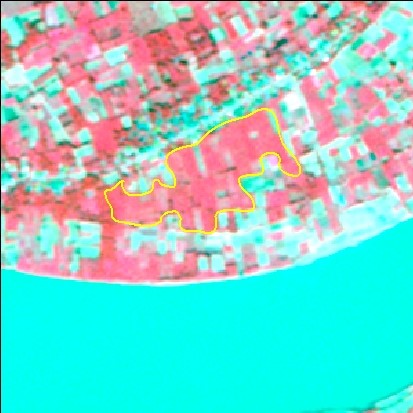 Defined as the agricultural land being used for production of other crops than rice and agriculture plantation, i.e. various kinds of vegetables such as sugarcane, millet, cotton, and etc. |
||
| AP (Agriculture Plantation:63) | ||
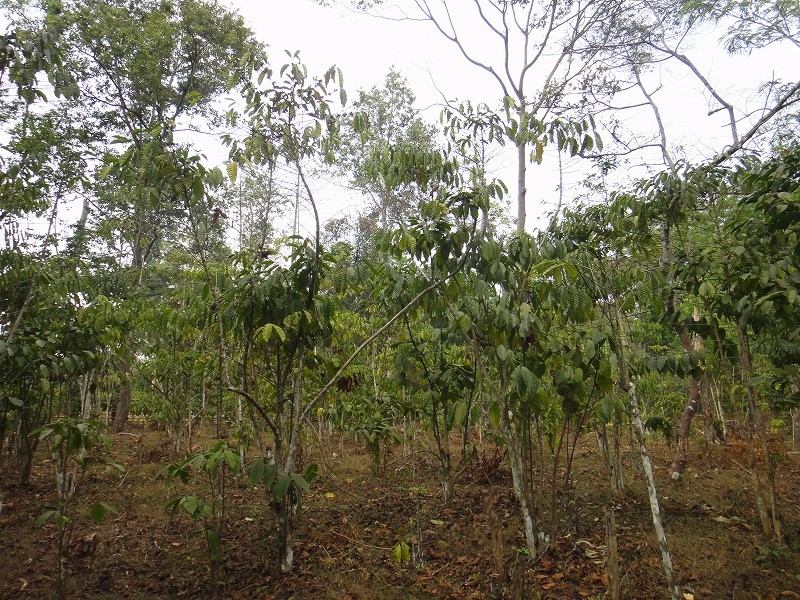 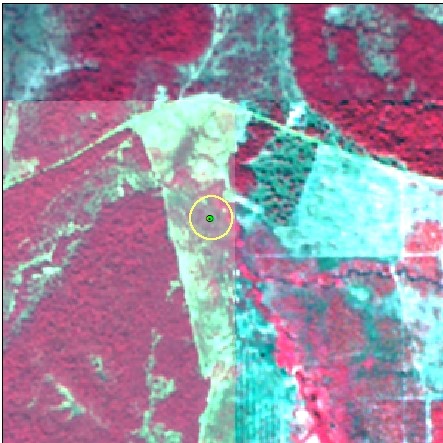 Defined as areas of agricultural land being used for fruit tree cultivation example: mango tree, longans tree, etc. Plantations with cash crops, which is the perennial crop for example: tea, cacao, and coffee also refer to this land use class. |
||
| U (Urban Areas:71) | ||
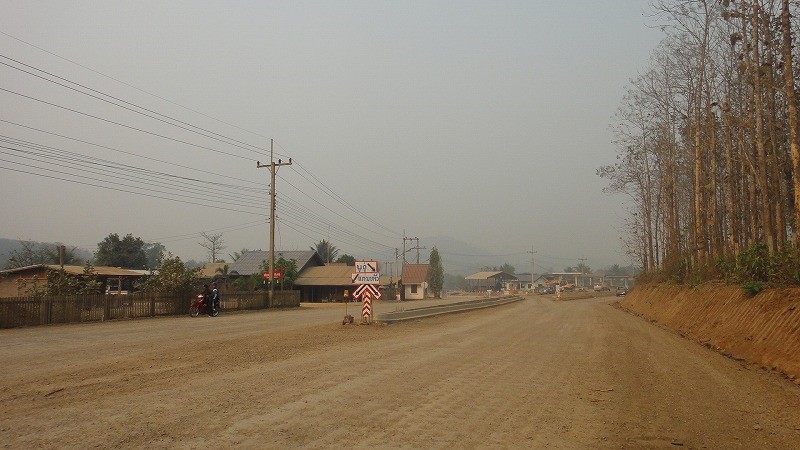 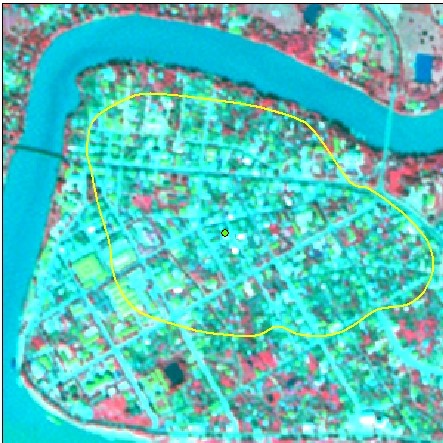 Defined as all areas being used for permanent settlements such as villages, towns, public gardens, industrial zone, and human settlements of any size. |
||
| BR (Barren Land and Rock:72) | ||
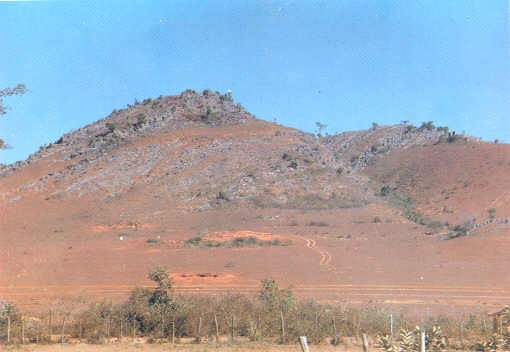 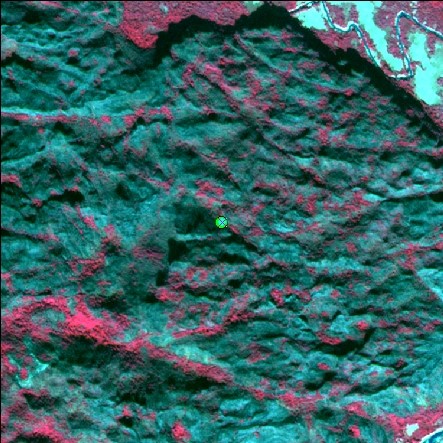 Defined as the area which neither trees nor grasses can grow, shallow soil and rocky areas. |
||
| O (Other Land:80) | ||
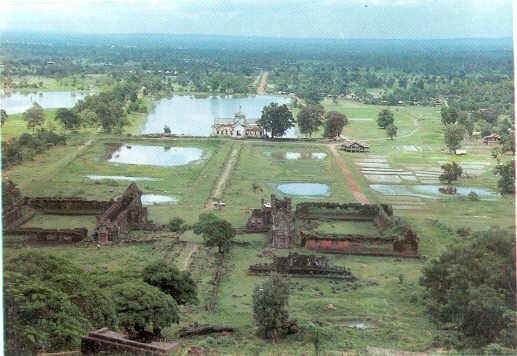 Defined as the road, temple, cemeteries and some historical and cultural sites. |
||
| W (River(Water):81) | ||
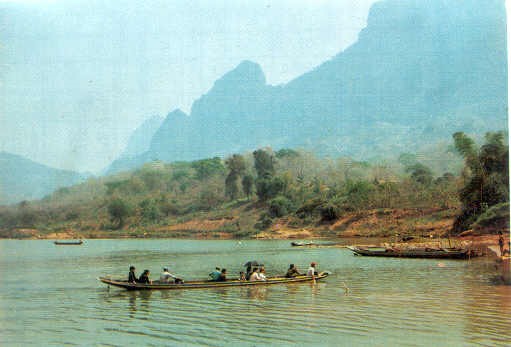 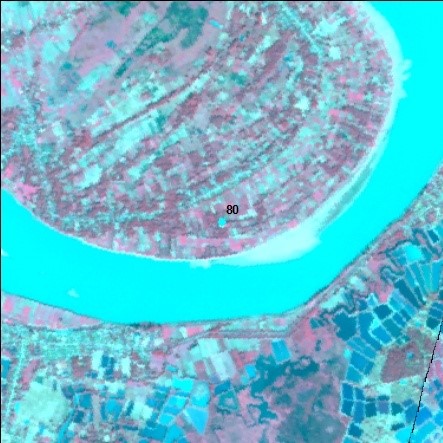 Defined as the river and small waterways should be at least 10m wide. In other cases, it should be joined to adjacent land use class. |
||